Eduqat Article
Insights on AI-powered education, course creation, and corporate training.

How to Check AI-Generated Course Content Before You Publish It
A training manager uploads a forty-page SOP into an AI course generator on a Tuesday afternoon. By Wednesday morning, six new modules are sitting in the LMS, complete with a narrated walkthrough and a ten-question quiz. She skims the first module, it reads cleanly, the structure looks right, and she assigns it to Monday's onboarding cohort. Three weeks later, a new hire cites a refund threshold on a live call that the client retired back in June. Nobody typed that number in. The AI generated a p

How Campuses Think About Break-Even Enrollment for a New Distance Learning Program
The proposal usually arrives the same way. A department has drafted a distance learning (PJJ) program, the curriculum committee has signed off, and the file now sits with the Vice Rector for Resources, who has one question the curriculum document does not answer: how many students does the institution actually need to stop losing money on this program, and by when. That question, break-even enrollment, is different from asking whether a PJJ program is a good idea in principle. It is a companion

A Digital Infrastructure Checklist Before You Apply for a Distance Learning License
A private university in East Java spent four months preparing a distance learning (PJJ) license application before its Quality Assurance Institute (LP3M) flagged the real problem in an internal review: the learning management system was ready, the network capacity was fine, but only one semester of digital course material existed for the flagship study program, and the file listed three managing faculty instead of the number the regulation expects. The application went back for rework, not becau

Micro-Credentials as a Revenue Product, Not Just a Compliance Checkbox
A vice rector II, the vice rector who typically oversees a campus's administration, planning, and finance, reviewing next year's Renstra will eventually hit the same line item: the LP3M-led micro-credential pilot, one year old, zero rupiah of tuition revenue, and a slide deck that says the program meets the ministry's latest quality-assurance standard. Compliant, yes. Revenue-generating, no. Those are two different projects, and most campuses have only finished the first one. A recent regulator
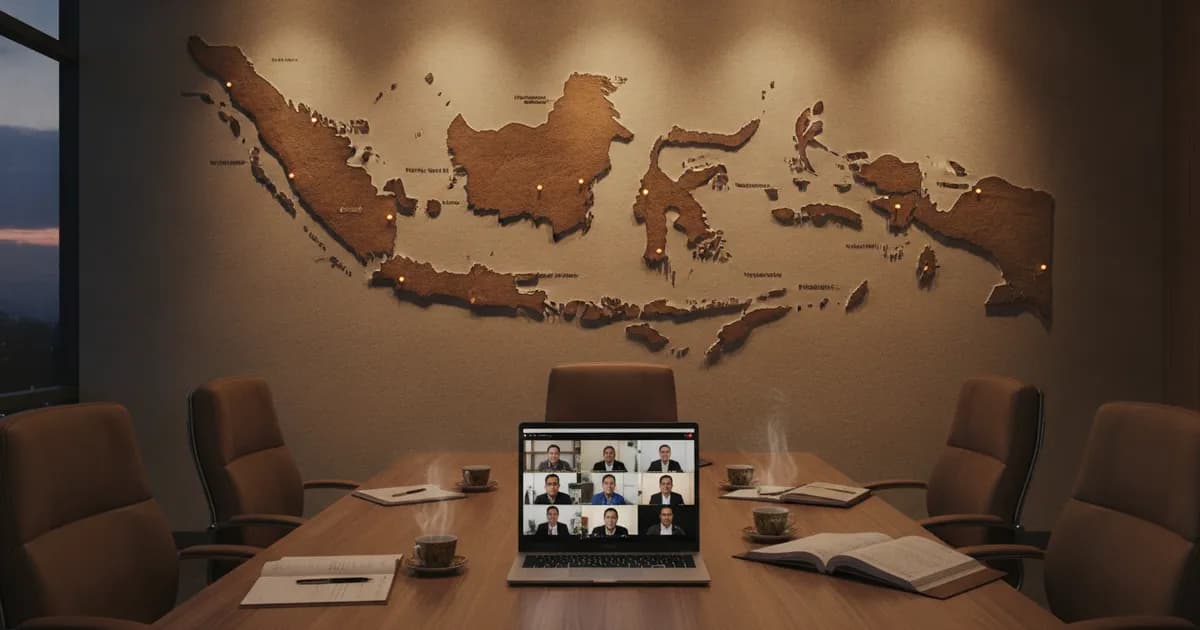
The Hidden Audience Your Campus Keeps Missing
A distance learning (PJJ) program is often pitched internally as "the same program, delivered online." That framing undersells what is actually on the table. A distance learning program does not just extend your existing catchment area outward. It opens three categorically different audiences your physical campus structurally cannot serve: people who already have full-time jobs, people who live too far away to attend on a fixed schedule, and people whose prior work experience qualifies them for

From Board Approval to Day-One Launch: Scaling Your RPL and Micro-Credential Content Pipeline
Picture the Vice Rector for Academic Affairs's desk three months before launch: a board-approved pricing model for a new Recognition of Prior Learning (RPL) pathway, a signed partnership with an industry association, and a cohort of working professionals already asking when enrollment opens. What is missing is not permission. It is material: the actual digital lessons, assessment instruments, and trained staff that turn a pricing sheet into a program someone can actually enroll in and start. In

Corporate Partnerships as a Distribution Channel for Campus Micro-Credentials
A regional bank's HR department calls the Recognition of Prior Learning (RPL) unit with a specific question: can a six-week supervisory micro-credential the campus already runs for the public be repackaged as onboarding for forty incoming team leads, with academic credit attached for those who later want to finish a degree. It is a reasonable request. It is also the kind of request that exposes, in a single phone call, whether an institution has actually built a channel for this or is simply imp

Packaging a Micro-Credential Portfolio That Corporates and Professionals Will Actually Pay For
A Vice Rector for Academic Affairs at a mid-sized private university has six micro-credentials live on the LMS. Enrollment is thin: mostly individual professionals paying out of pocket, one or two per intake. When the Vice Rector for Resources tries to sell the same six credentials as a bundle to a corporate partner's HR division, the conversation stalls inside the first five minutes. Which credential proves what. Whether it can be verified independently by someone outside the university. Whethe
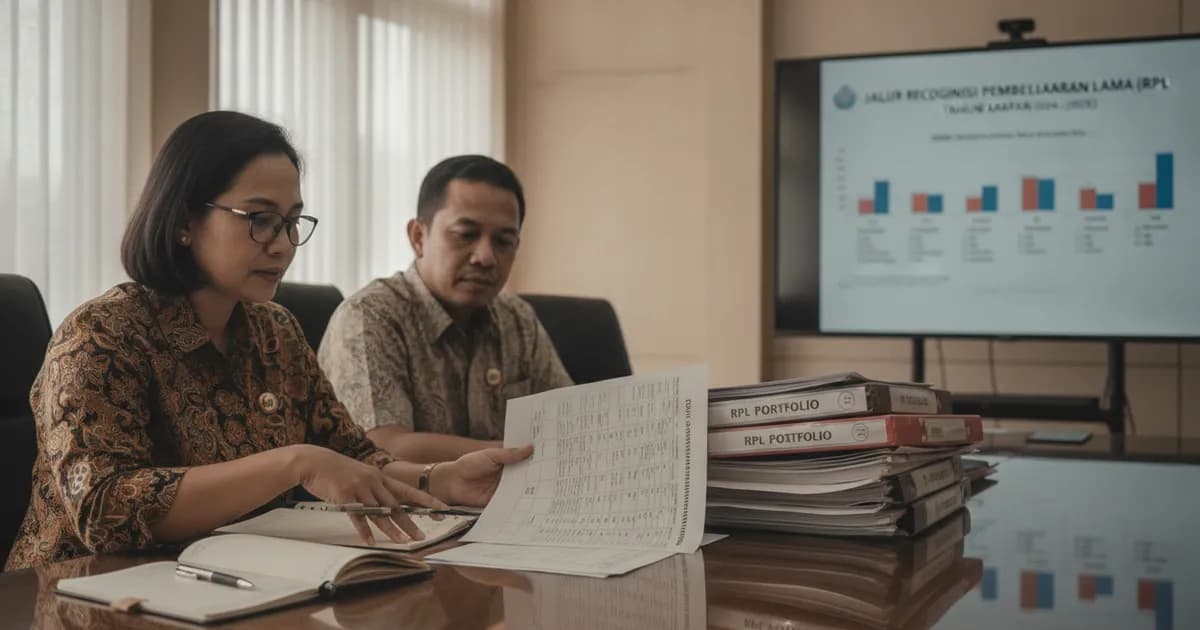
How Many RPL Assessors a Campus Actually Needs to Run This at Revenue Scale
A rektorat that has just approved RPL as a paid, credit-bearing admissions pathway usually asks the wrong first question. The question is not "how many applicants can we market to." It is "how many of them can our assessors actually get through a semester without the SK Rekognisi backing up past the intake deadline." Assessor capacity is the ceiling. Everything else, the marketing budget, the partnership pipeline with industry associations, the number of program studi willing to open an RPL jalu